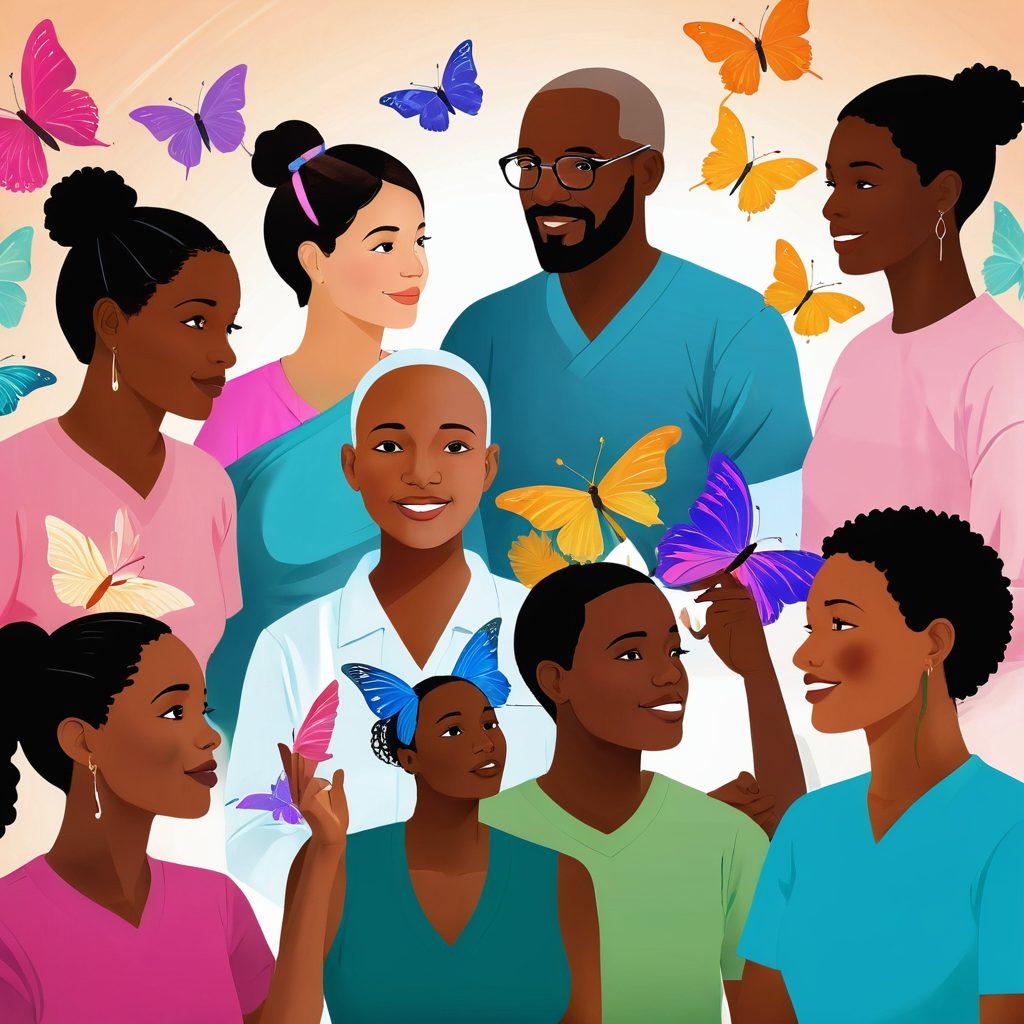
Navigating Cancer: Essential Insights on Tumors, Treatment Options, and Survivor Wellness
When it comes to understanding tumors, knowledge is indeed power. The journey through the world of oncology can feel overwhelming, but grasping the differences between benign and malignant tumors can be the first step towards proactive health education. After all, why is it that some lumps are harmless while others pose serious threats? Diving deep into this subject will equip you with the insights necessary to navigate your health with confidence and clarity.
Benign tumors are generally referred to as non-cancerous growths. They can occur in various parts of the body and often do not require aggressive treatment. Imagine a grapefruit sitting on your kitchen counter; it’s there, you know it’s not doing any harm, and even though it’s an unwelcome guest, you might choose to leave it be unless it starts to rot. In the context of health, the same principle applies. Many benign tumors can be monitored without intervention, allowing patients to lead their lives without constant worry. However, it’s crucial to engage in regular screenings to ensure that benign growths are indeed just that and remain unchanged over time.
On the other end of the spectrum, we have malignant tumors, often categorized under different types of carcinoma depending on their origin—be it in the breast, lungs, or elsewhere. A malignant tumor is like a thief in the night—it can grow uncontrollably, invade nearby tissues, and sometimes decide to create havoc in distant organs via metastasis. The terminology may sound daunting, but don’t let it intimidate you. Understanding these terms is vital in your quest for cancer awareness and disease education. Early detection is crucial when facing malignant growths; it is often said that catching cancer early can lead to improved outcomes and treatment options.
Have you ever come across someone proclaiming, 'It's not the tumor that defines your fight, it's how you choose to combat it'? This powerful mantra resonates deeply with many cancer survivors who have undergone various treatment options, including immune therapy and palliative care. Each individual’s journey through cancer is unique. Engaging with support groups and health resources can provide vital emotional sustenance, allowing patients to share their experiences and coping mechanisms. Education around symptom management and nutrition for cancer patients can further empower individuals to take control of their well-being during treatment and beyond.
As we explore the landscape of survivorship and wellness, remember that living with cancer involves a holistic approach. Clinical trials and ongoing research findings are paving the way for better therapeutics and care options. And as we uncover new paths to wellness, it’s worth reflecting on your individual health goals. Treatment is just one piece of the puzzle; survivor wellness encompasses mental, emotional, and physical health. So the next time you hear about tumors, ask yourself: What can I do to advocate for my health and navigate my journey with resilience and hope?
Empowering Survivors: Treatment Options and Wellness Strategies for Life After Cancer
Cancer can feel like an uninvited guest that overstays its welcome, leaving behind a trail of fear and uncertainty. However, the journey doesn't end with a diagnosis; it's just the beginning of navigating a new landscape of recovery and understanding. For many survivors, it's a chance to reclaim their lives, focusing on wellness and holistic health after battling malignant tumors. This blog delves into empowering cancer survivors with treatment options and actionable wellness strategies, ensuring that life after cancer is not only about remission but thriving in a renewed state of being.
When faced with the diagnosis of carcinoma or other forms of cancer, the myriad treatment options available can seem overwhelming. From chemotherapy to immune therapy, and from radiation to clinical trials, having clear health resources and education is paramount. What if I told you that understanding your treatment options directly impacts not just recovery, but also future health? The decisions you make today about palliative care and symptom management can be your roadmap to living well tomorrow. Exploring cancer guides, engaging with oncologists, and joining support groups can help demystify these choices, empowering you to steer your own journey toward wellness.
One of the core tenants of survivorship is the realization that cancer changes you, but it doesn’t define you. Consider this: how often do we look at life’s challenges and see opportunities for growth? Nutrition for cancer patients is a pivotal aspect of this journey. The fuel that you give your body can support immune function and promote wellness, aiding recovery and helping you feel revitalized. Fostering healthy eating habits and regular exercise can have profound effects on both physical and emotional health, reducing stress and improving overall quality of life. What are your favorite nutritious meals?
Early detection and screening have reshaped the landscape of oncology, significantly increasing survival rates and outcomes for many types of tumors. However, remaining vigilant post-treatment is just as crucial. Disease awareness includes understanding the signs of recurrence and knowing how to advocate for yourself in healthcare settings. Are you keeping track of your health status, or are you waiting for the next appointment to check in? Staying proactive and engaged in your health care can cushion potential worries, transform your fears into action, and keep you aligned with the latest research findings and treatment advancements.
Finally, it’s essential to recognize the emotional impact of living with and surviving cancer. Building a support system through health blogs, forums, and community resources can provide solace and understanding in the face of challenges. Connect with individuals who have walked a similar path. Dare to share your story, and be open to others' narratives as well. As you traverse this terrain, remember – you are not alone. In the words of a survivor, 'Every step forward is a step in the right direction.' So how will you choose to take those steps today? Shaping a new pathway towards wellness after cancer starts with the choices you make now.
Comprehensive Cancer Care: Resources, Support Groups, and the Latest in Clinical Trials
When faced with a cancer diagnosis, the journey can feel overwhelming. Yet, within that haze, lies a wealth of resources and support systems designed to guide patients and their families. Comprehensive cancer care goes beyond just treating a tumor; it encompasses the entire experience of living with cancer, whether you are dealing with a benign growth or a malignant carcinoma. What if I told you that tapping into these resources could profoundly influence your survivorship and wellness?
Navigating through various treatment options, support groups, and health resources can be daunting. The sheer number of choices, from immune therapy to palliative care, can leave anyone feeling lost. Did you know that early detection and screening can often play a pivotal role in the treatment and management of cancer? For example, understanding the latest in clinical trials can lead to innovative therapeutics that may not be available to the broader public yet. It’s crucial to stay informed. After all, knowledge is power, especially in the realm of oncology.
Incorporating health education into your routine is key. Learning about the differences between benign and malignant tumors can demystify a lot of fears. You can arm yourself with cancer facts that can spark discussions with healthcare providers. Have you ever wondered how nutrition for cancer patients can affect overall wellness during treatment? Research findings continue to emphasize the impact of a balanced diet on symptom management and energy levels. This knowledge can shift your focus from fear to empowerment in living with cancer.
Support groups offer more than just comfort; they provide a community of understanding. Imagine sitting in a circle, sharing your truth with people who truly get it. That camaraderie fosters resilience and helps cultivate a sense of hope, especially in those moments when the weight of a diagnosis feels too heavy. Engaging with cancer advocacy organizations can introduce you to fantastic cancer guides and health resources that advocate for patients' rights and wellness. Could this support be what you need to foster a sense of belonging in your journey?
Ultimately, comprehending the multifaceted nature of cancer care—inclusive of symptom management and holistic health—is vital. Remission is possible, and you don’t have to walk this path alone. Whether through engaging in your local community or reaching out through online platforms, remember that your experience can inspire others. As you delve deeper into the world of disease awareness and survivorship, let the words of the iconic writer Maya Angelou resonate: "I can be changed by what happens to me. But I refuse to be reduced by it." So take heart, gather your resources, and empower yourself toward thriving, not just surviving, in your cancer journey.